- Collection of
- Tokyo Photographic Art Museum
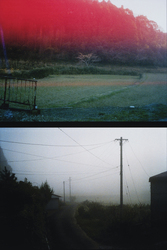
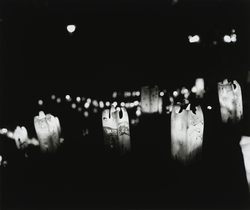
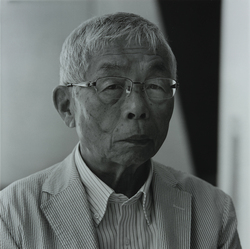
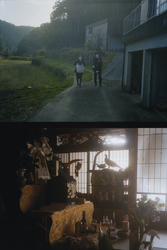
- Title
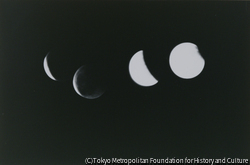
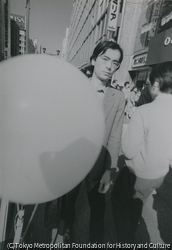
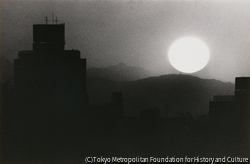
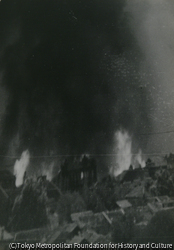
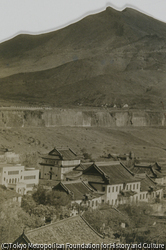
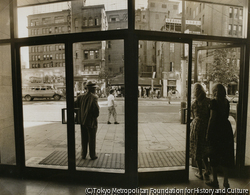
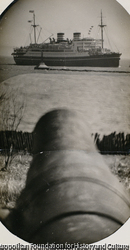
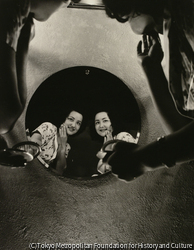
- (China, Using Asahi Fujinami Reflex Telephoto Lens)
- Original title
- (中国 朝日・藤波式望遠)
- Artist Name
- OTSUKA Gen
- Material / Technique
- Gelatin silver print on developing-out paper
- Dimensions
- 217x148mm
- Accession number
- 30108536
- Tokyo Photographic Art Museum “Search the Collection”
- https://collection.topmuseum.jp/Publish/detailPage/18345/
Other items of Tokyo Photographic Art Museum (41996)
Shadow Play Postcards illustrating hand shadows, set of 4
Photographer unknown
Tokyo Photographic Art Museum
Lo Manthang 1996
MIYAMOTO Ryuji
Tokyo Photographic Art Museum
ANIMAL LOCOMOTION an electro-photographic investigation of consecutive phases of animal movement Dog; galloping; white racing hound, Maggie
MUYBRIDGE, Eadweard
Tokyo Photographic Art Museum
Hong Kong Male refugee
NAGANO Shigeichi
Tokyo Photographic Art Museum
Edith, Danville, Virginia
GOWIN, Emmet
Tokyo Photographic Art Museum
Camera Premo
Photographer unknown
Tokyo Photographic Art Museum
The Children of the Poor One of Four Peddlers who slept in the Cellar of "Ludlow Street Rear"
RIIS, Jacob
Tokyo Photographic Art Museum
A MAN OF MERCY (SCHWEITZER)
SMITH, W. Eugene
Tokyo Photographic Art Museum
Album of Paris Universal Exhibition Varnish; instruments of varnish factory and models of varnish boards.
YOKOYAMA Matsusaburo
Tokyo Photographic Art Museum
Invasion 68: Prague Prague, August 1968
KOUDELKA, Josef
Tokyo Photographic Art Museum
Another Time on the Ryukyu islands
YAMASHITA Tsuneo
Tokyo Photographic Art Museum
Black Angels
YOSHIDA Ruiko
Tokyo Photographic Art Museum
Erewhon Aum Shinrikyo Satyam 1, Kamikuishiki-mura (now Fujikawaguchiko-machi), Yamanashi Prefecture
TAMURA Akihide
Tokyo Photographic Art Museum
(Flag and house)
YOSHIZAKI Hitori
Tokyo Photographic Art Museum
(Portrait of man) (No. 202)
YAMAMOTO Sanshichiro
Tokyo Photographic Art Museum
Kang Ju-kwan, who was sent to Da Nang as a medic for the South Korean Tiger Division, has been suffering from dermatitis for 20 years. He says that by concentrating his nerves on the tip of his brush while doing Korean calligraphy, he forget about pain and itching. His works were lined up all over the room. Under the military regime that lasted until 1992, soldiers' claims of damage were not allowed, and even news reports on the defoliant problem was suppressed in South Korea (Anyang, May 1993).
NAKAMURA Goro
Tokyo Photographic Art Museum